Ulta Beauty’s in-store experience relied heavily on static signage and associate assistance, which struggled to keep pace with the dynamic needs of guests and campaigns. The challenge was to create a scalable, self-service digital tool that could adapt to real-time content, reduce friction for both guests and staff, and bridge the gap between physical retail and Ulta’s digital ecosystem—all while feeling cohesive and on-brand.
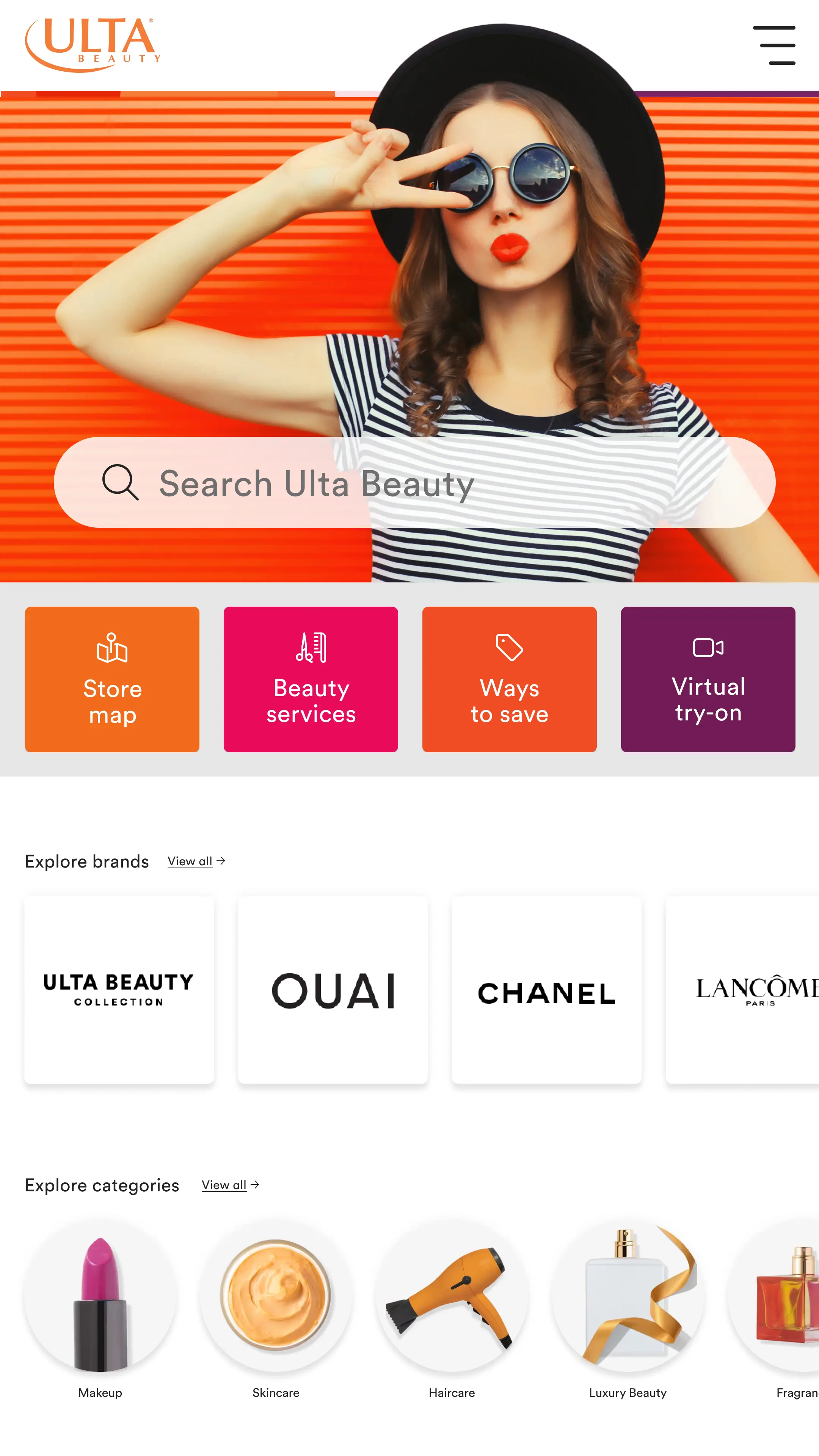
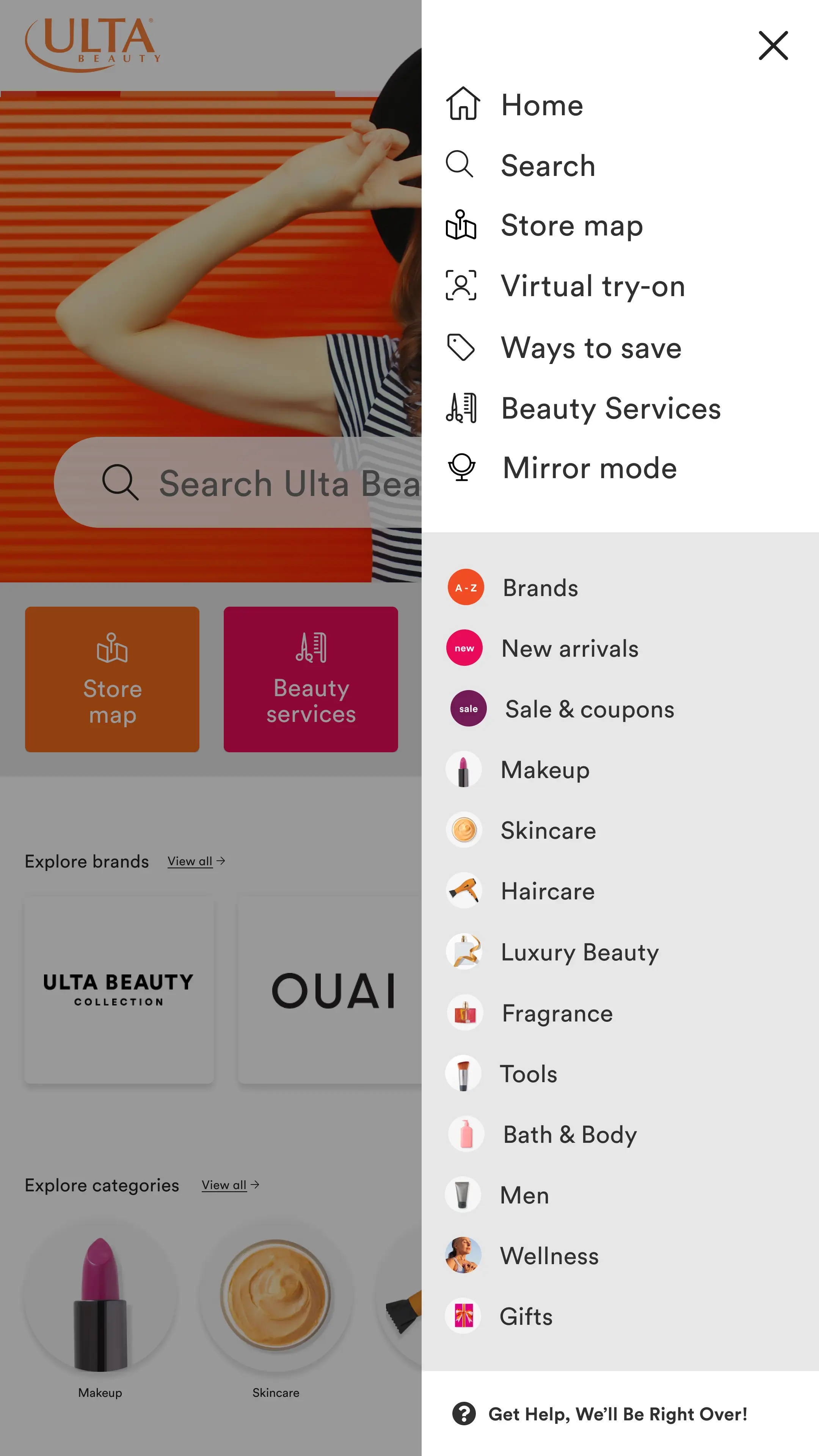
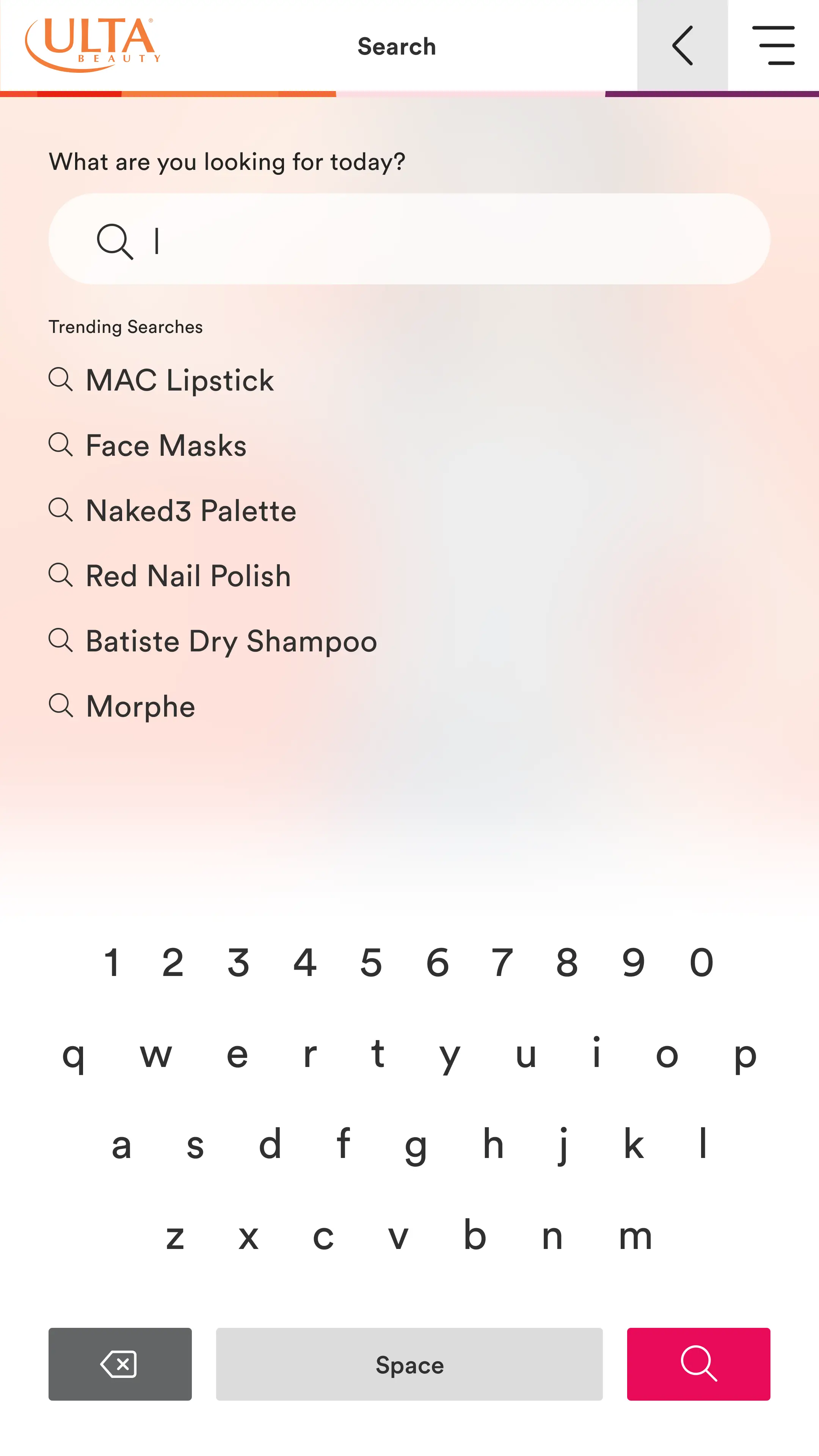
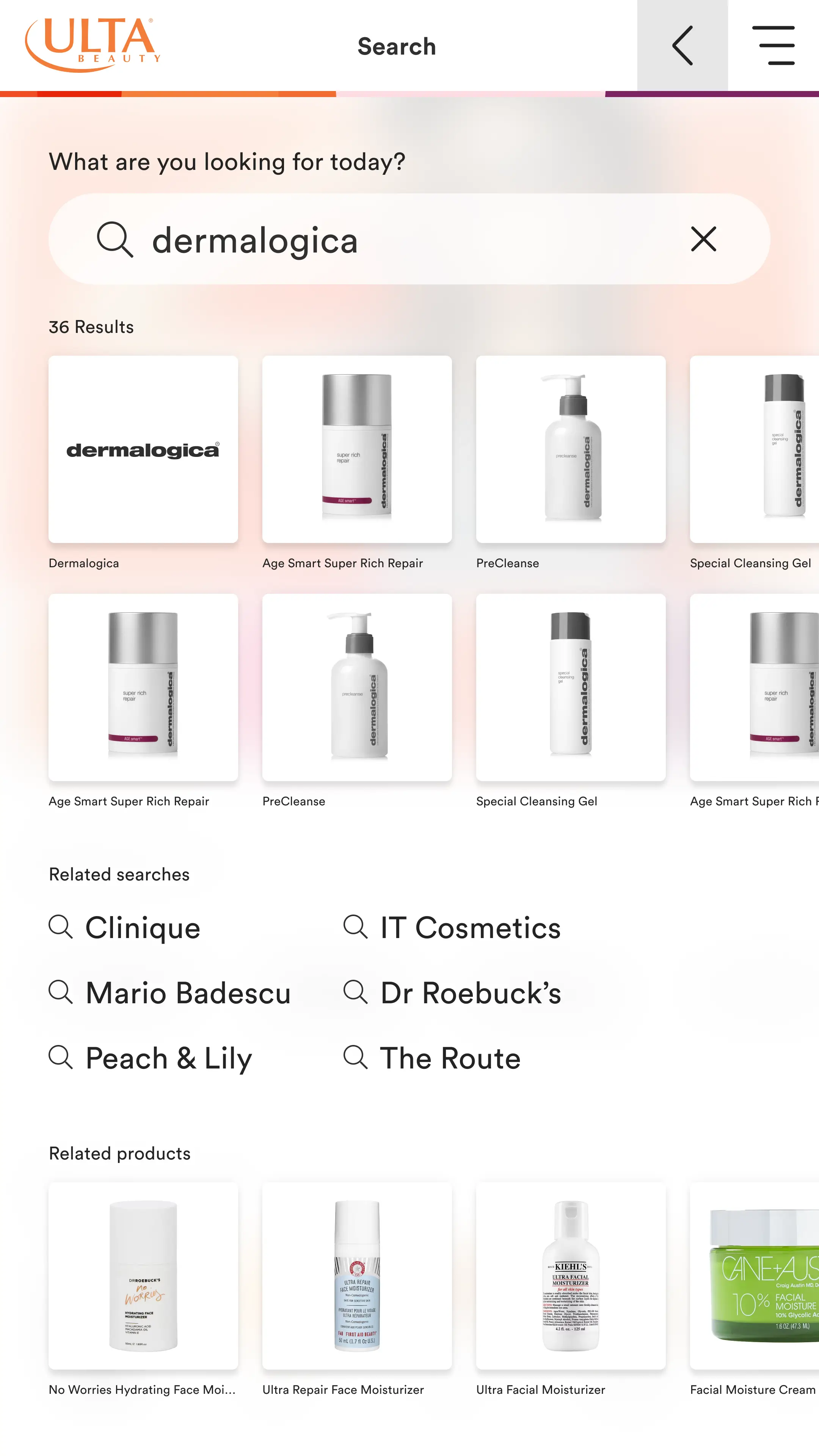
Digital Mirror: In-Store Wayfinding & Product Discovery
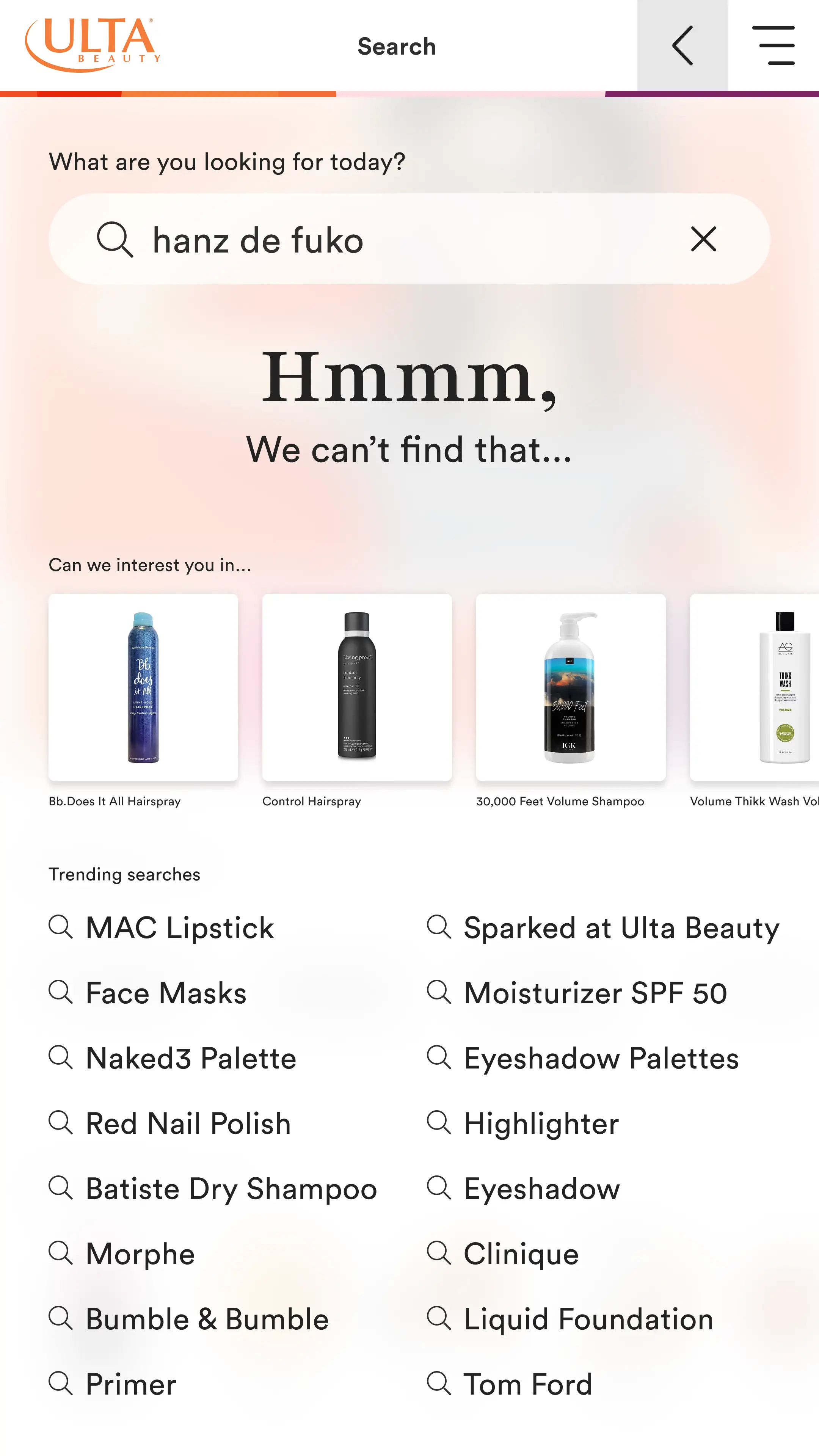
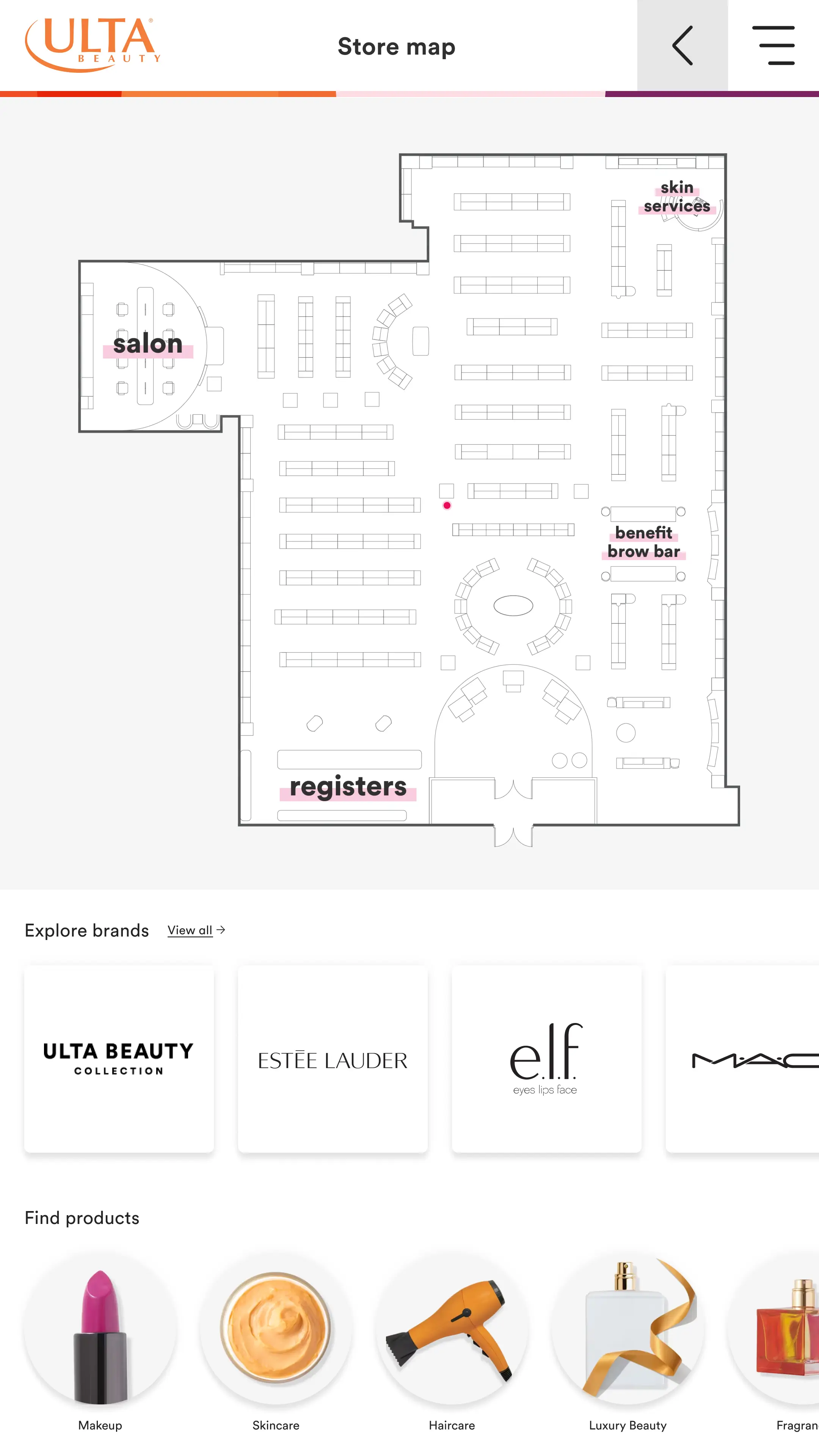
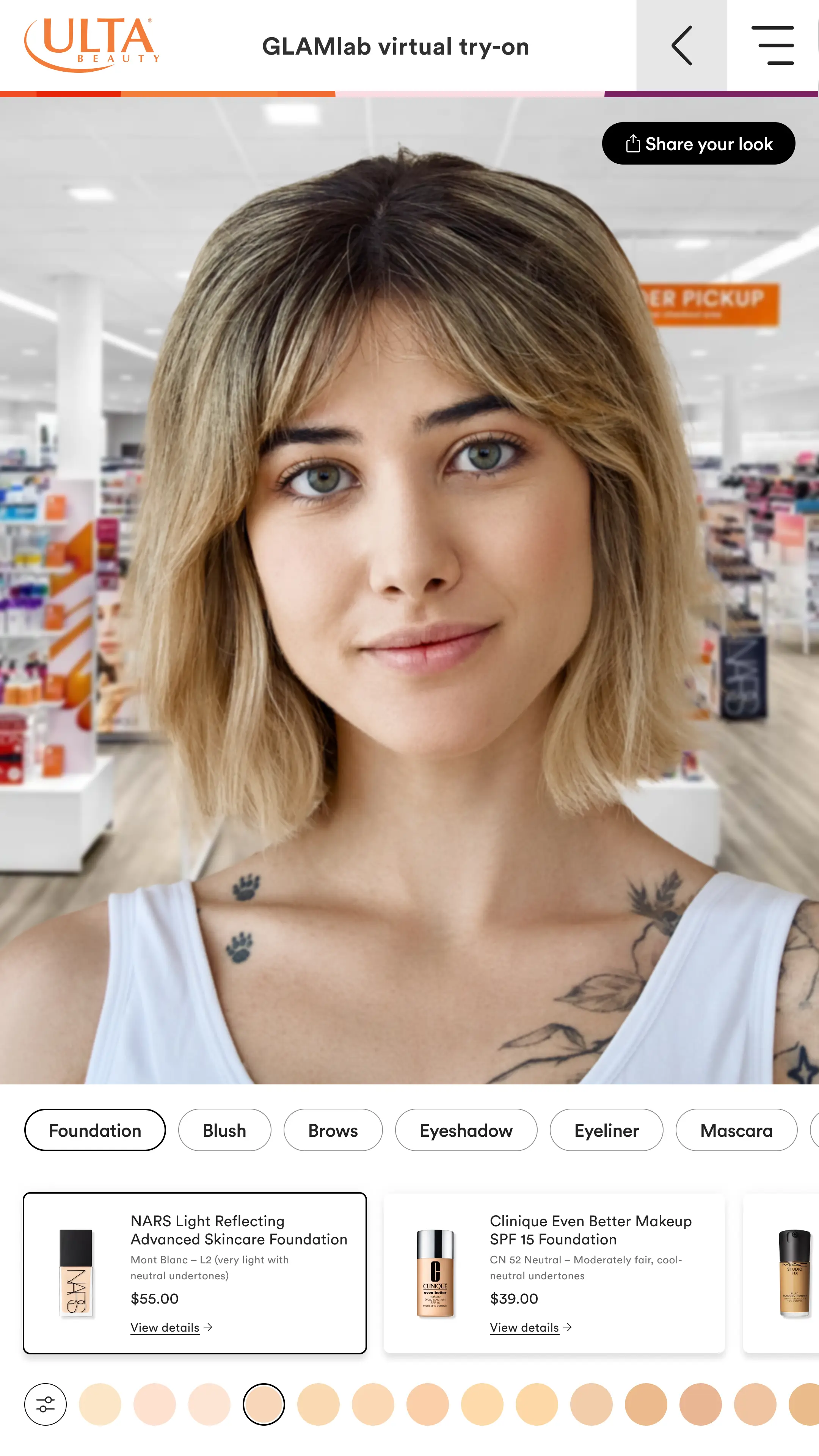
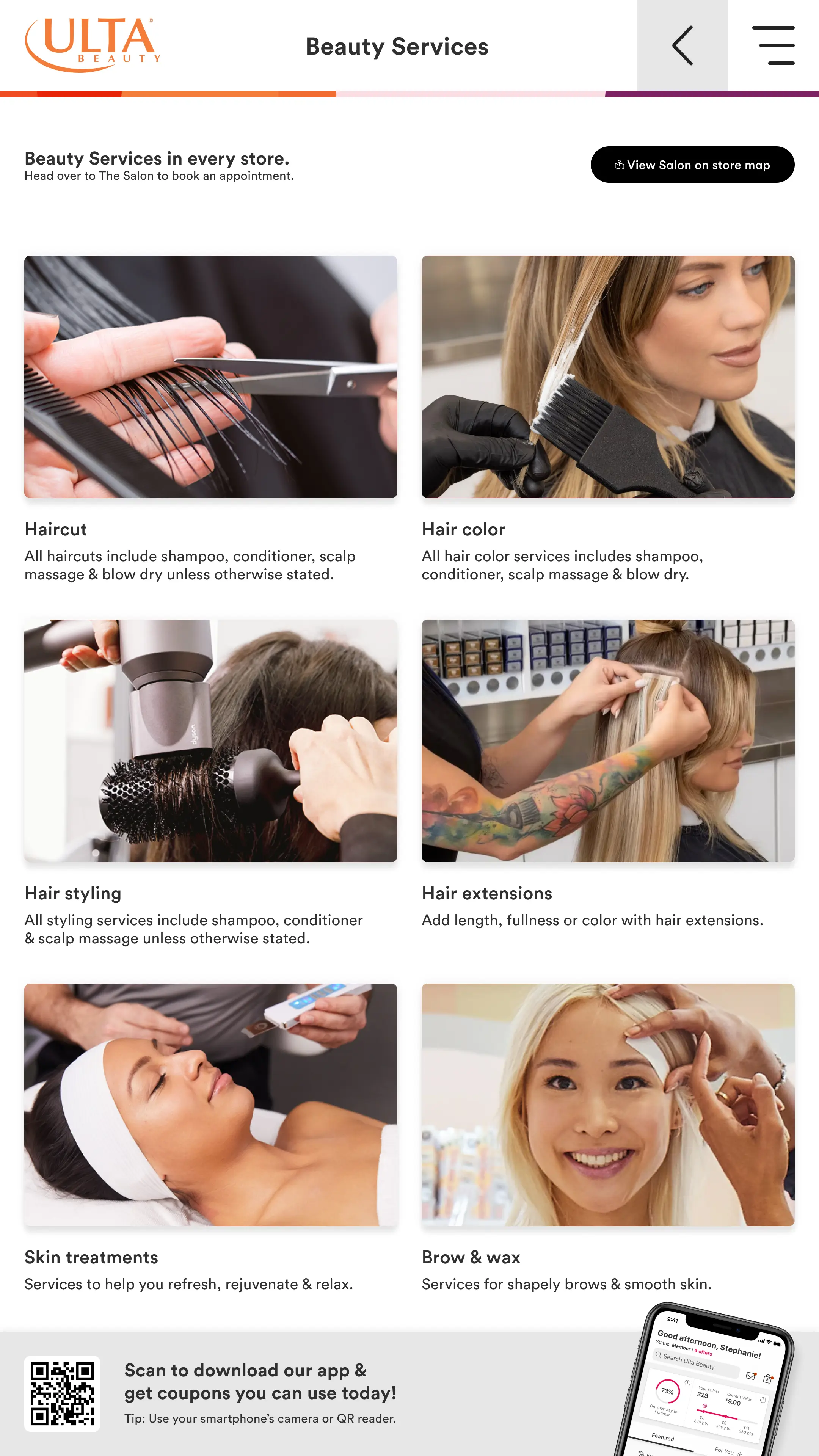
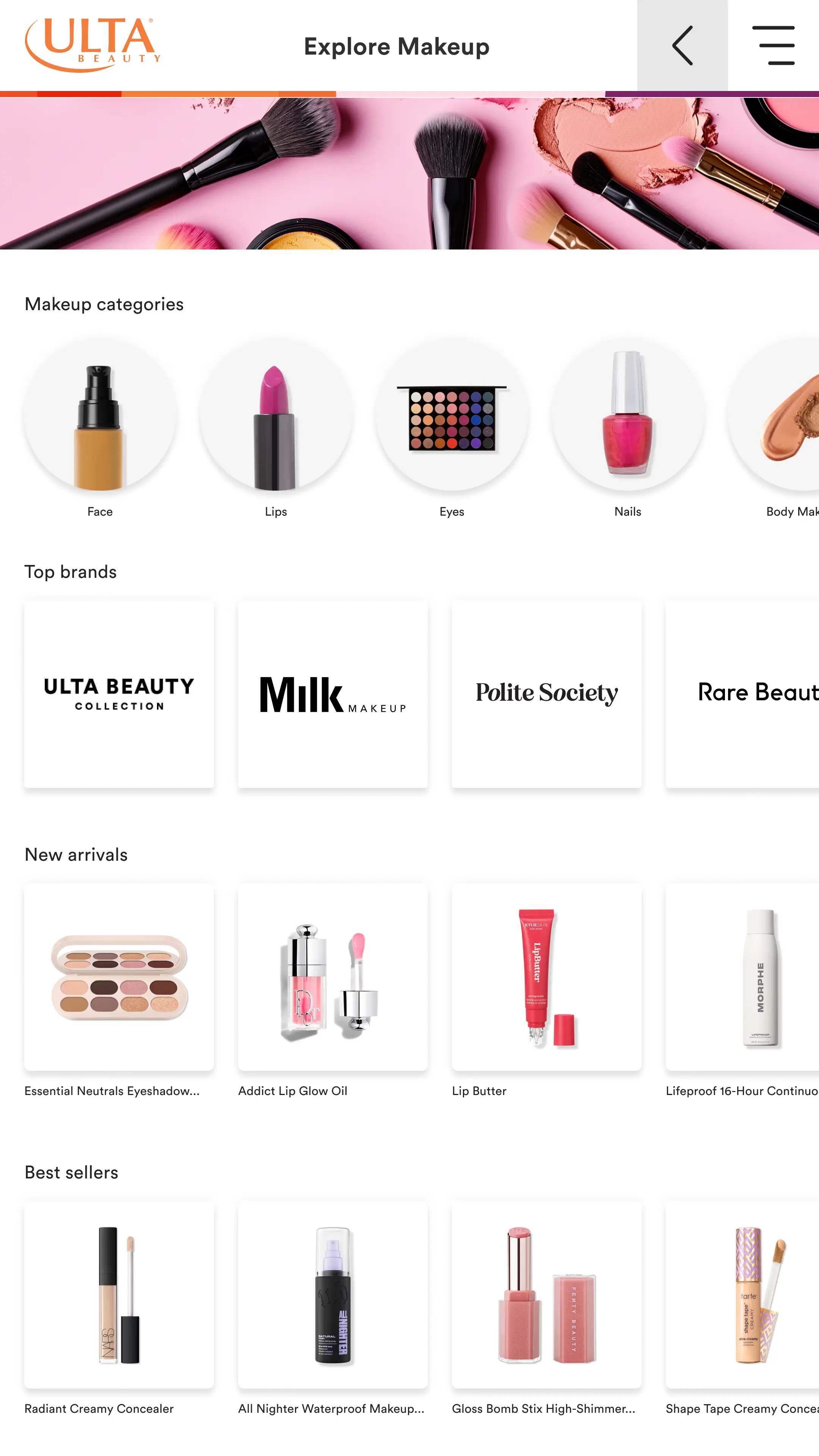
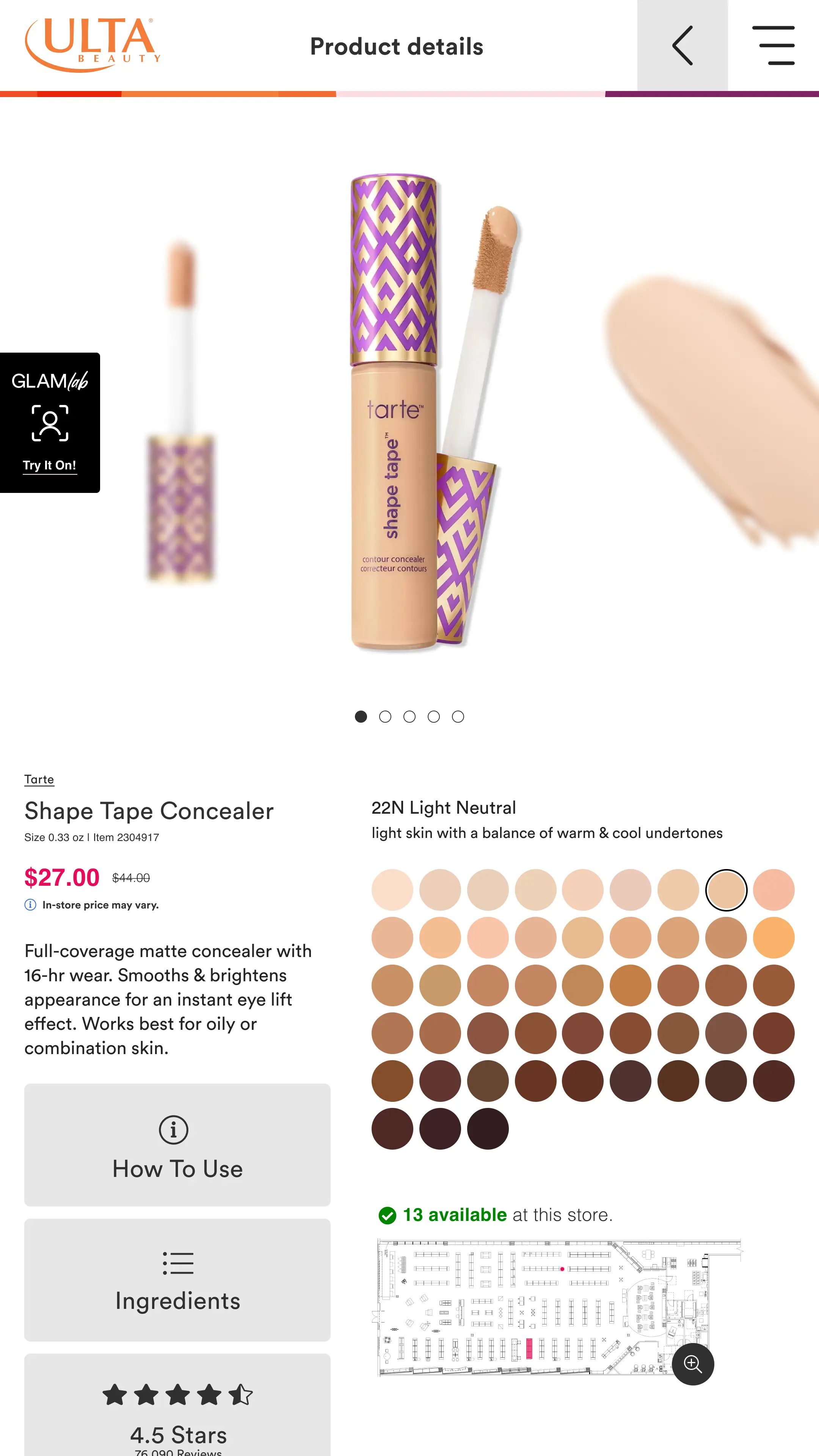
The Digital Mirror is an interactive, in-store experience designed to help guests explore products, services, and inspiration within Ulta Beauty locations. Acting as a bridge between physical retail and digital content, it gives guests a self-guided way to discover information while reinforcing a cohesive omnichannel experience.
01The Problem
02My Role
As Product Design Lead, I led the design system integration for the Digital Mirror, ensuring it leveraged Palette’s components, tokens, and interaction patterns. My focus was on:
- Adapting the design system for large-format, touch-based interfaces
- Partnering with product and engineering to balance innovation with consistency
- Advocating for accessibility and usability in a high-traffic retail environment
- Enabling the design team to iterate quickly while maintaining brand and system standards
This project was a test of how a shared design system could power emerging technology without sacrificing flexibility or creativity.

03Impact
- Extended Ulta’s digital experience into physical stores, creating a seamless omnichannel bridge
- Reduced reliance on static signage and associate support during peak traffic
- Proved the scalability of Palette by applying it to a new, high-visibility surface
- Set a precedent for future in-store digital experiences, demonstrating the value of system-driven design in retail innovation
The Digital Mirror didn’t just solve a problem—it showed how design systems can enable new experiences while keeping teams aligned and efficient.

04Reflection
This project reinforced a key lesson: The best systems don’t just support the work, they inspire it. Seeing Palette adapt to a touchscreen kiosk opened my eyes to the potential of system-driven design in unexpected places.
The Digital Mirror was one of the first projects to stretch Palette beyond web and mobile, requiring close collaboration with engineers to ensure components like buttons, typography, and navigation scaled for touch and large displays. The result was a cohesive experience that felt familiar to guests and efficient for teams to build—all while setting the stage for future in-store digital tools.
